Best Fleece Clothing for Ultimate Comfort and Warmth?
Fleece clothing has become a staple for anyone seeking comfort and warmth. It is versatile and suitable for various occasions. Dr. Emma Stanwick, a leading expert in textile science, emphasizes the importance of quality materials. She once stated, "The right fleece can elevate warmth and comfort to new levels."
When you wear fleece, you immediately feel a difference. The soft texture often hugs the body, providing a cozy embrace. Yet, not all fleece clothing is created equal. Poor-quality options can lead to pilling or inadequate insulation. It's essential to choose wisely.
In exploring the best fleece options, we dive into various styles. There are pullover jackets, zip-ups, and even fleece-lined pants. Each piece serves a unique purpose. However, finding the right fit can be challenging. It is worth remembering that comfort and style go hand in hand. Consider how fleece clothing can transform your wardrobe while keeping you warm on cold days.

Best Fleece Materials for Insulation: Comparing Wool, Polyester, and Blends
When it comes to fleece clothing, material choices are critical. Wool, polyester, and blends each offer unique benefits and drawbacks. Wool is renowned for its natural insulation properties. It can retain heat even when wet. This makes it suitable for various weather conditions. However, some may find it itchy against the skin.
On the other hand, polyester has gained popularity for its lightweight and quick-drying characteristics. Reports indicate that polyester can retain warmth while allowing moisture to escape. Yet, it sometimes lacks breathability, which can lead to discomfort during intense activities. Additionally, blends of wool and polyester can provide a balanced solution. They combine the warm effects of wool with the durability of polyester. But, finding the right ratio for your needs can be challenging.
While choosing the right fleece, consider your activities. If you're outdoor hiking, moisture management is key. If lounging at home, the soft touch of wool may be preferable. Understanding these factors can enhance your comfort level. Remember, what works for one may not suit another. Each material has its pros and cons. Experimenting may lead to the perfect fit for ultimate warmth.
Best Fleece Clothing for Ultimate Comfort and Warmth
| Material Type |
Insulation Properties |
Comfort Level |
Moisture Wicking |
Durability |
Best Use Case |
| Wool |
Excellent |
High |
Moderate |
Very Durable |
Cold Weather Activities |
| Polyester |
Good |
Moderate |
Excellent |
Good |
Layering and Everyday Wear |
| Wool-Polyester Blend |
Very Good |
High |
Good |
Very Durable |
Versatile Usage |
| Fleece |
Good |
High |
Moderate |
Moderately Durable |
Casual and Outdoor Activities |
| Cotton Fleece |
Fair |
Moderate |
Poor |
Good |
Loungewear |
Understanding Fleece Weight Classes: How GSM Affects Warmth and Comfort
When selecting fleece clothing, understanding GSM is essential. GSM stands for grams per square meter. It measures fleece thickness and density. Higher GSM usually means warmer and heavier fleece. But this isn't always better. Sometimes, lighter fabrics can offer better breathability.
Choosing the right GSM depends on your needs. If you are layering for winter activities, consider a heavier GSM for warmth. However, for casual wear or mild weather, a lower GSM can provide comfort without overheating. It’s all about balance.
Tips: Check the fabric composition, not just the GSM. Sometimes, materials blend can affect overall comfort. Also, don’t forget fit. A snug fit traps heat better than a loose fit. Experiment with layers to see what feels best and keeps you comfortable.
The Role of Fleece in Outdoor Activities: Benefits for Sports and Leisure
Fleece fabric plays a vital role in outdoor activities. Its lightweight nature makes it ideal for various sports and leisure pursuits. According to industry reports, fleece retains up to 90% of body heat, which is crucial during cold weather adventures. This insulation allows outdoor enthusiasts to engage in activities without being weighed down.
Fleece is breathable and quick-drying, making it perfect for runners and hikers. A study published in the Journal of Sports Science states that proper insulation reduces fatigue during exercise. It can absorb 1% of its weight in moisture yet remain dry to the touch. This feature is particularly useful for those who sweat during workouts.
Tips: Always layer your fleece gear. It provides flexibility and can adapt to changing weather. Consider using fleece gloves or hats when engaging in longer outdoor activities. Simple accessories can significantly enhance warmth. Also, regularly check for pilling or wear on your fleece. Such details impact performance and comfort, and ignoring them can lead to regrettable situations on the trail.
Care Tips for Maintaining Fleece Clothing: Enhancing Longevity and Performance
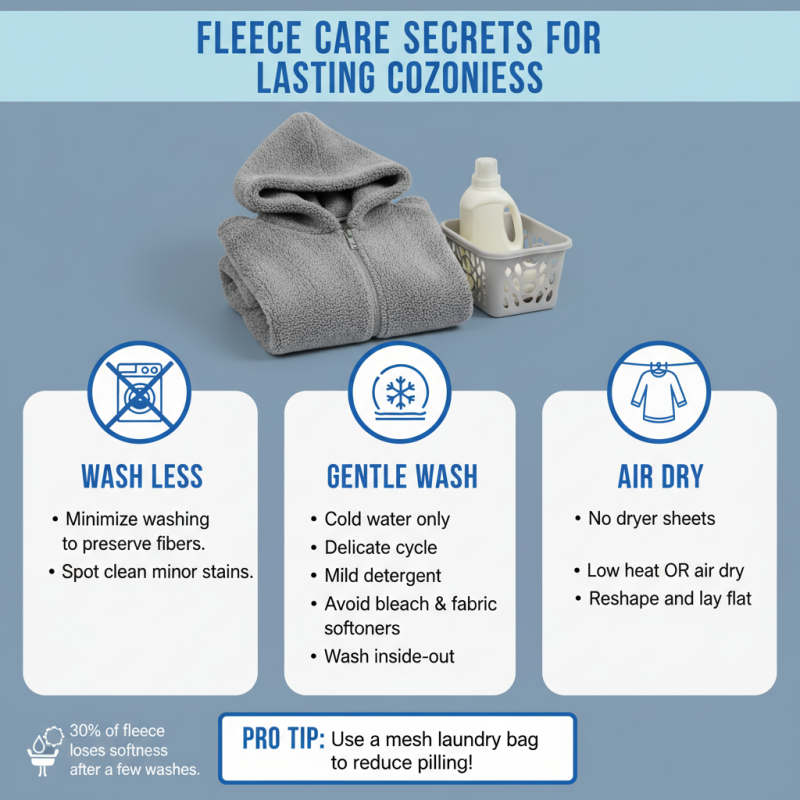
Fleece clothing is a popular choice for warmth and comfort, but proper care is essential for longevity. Many consumers may not realize that washing fleece improperly can lead to a decrease in its performance. According to industry reports, up to 30% of fleece garments lose their softness and insulating properties after just a few washes. This makes care tips crucial for those who value their cozy attire.
Always wash fleece in cold water to help maintain its shape and texture. Avoid using fabric softeners, as they can create a film that diminishes breathability. Instead, try using a gentle detergent. Hanging fleece to dry is ideal, as high heat from the dryer can cause shrinkage. It's surprising how many people toss their fleece in the dryer without thinking of the risks involved.
Additionally, store fleece in a cool, dry place. This prevents mildew growth, especially if it's been worn during sweaty activities. A report from the Outdoor Industry Association highlights that improperly stored fleece can reduce its effectiveness and lifespan by up to 25%. Small habits, like these, can greatly extend the life of your favorite gear. Reflecting on these practices can lead to a longer-lasting, warmer wardrobe.
The Environmental Impact of Fleece Production: Sustainability Considerations in Fashion
Fleece clothing offers unparalleled comfort and warmth. However, its production raises important sustainability issues. Most fleece products are made from polyester, which is derived from petroleum. This process contributes to environmental degradation.
The impact of fleece on our planet extends beyond resource extraction. Microplastics from washing fleece garments can pollute waterways. These tiny particles harm marine life, entering the food chain and affecting biodiversity. The convenience of fleece comes with a hidden cost to ecosystems.
Consumers are becoming more aware of these issues. Many are seeking alternatives that reduce environmental harm. Natural fibers, like wool or organic cotton, can provide similar warmth without the same ecological footprint. There’s a growing demand for sustainable practices in fashion, pushing the industry to reflect and innovate. The journey toward a more sustainable fleece begins with informed choices.
Environmental Impact of Fleece Production
This chart highlights the environmental impact of fleece production based on several sustainability factors, illustrating both the concerns and efforts made within the fashion industry.

 +86 15968093247
 CONTACT NUMBER
 CONTACT e-mail