10 Best Plain Fabric Options for Your Next DIY Project?
When embarking on a DIY project, selecting the right materials is essential. Plain fabric is often an overlooked choice, yet it holds immense potential. According to industry reports, fabric choices can significantly impact the quality and appeal of handmade items. A study found that 70% of successful DIYers prefer plain fabrics for their versatility and ease of use.
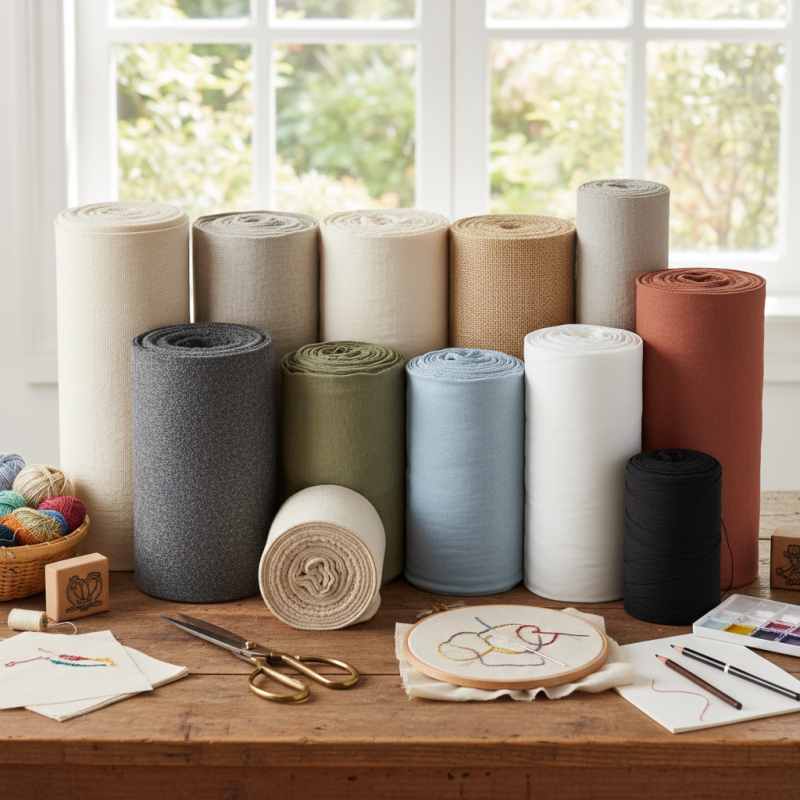
Plain fabric comes in various types, making it suitable for different projects. Cotton, linen, and muslin are popular options. Each fabric offers unique characteristics, like breathability and durability. However, the choice can be overwhelming for beginners. It's easy to get lost in patterns and prints, but simplicity often reigns supreme in crafting. A plain fabric allows for greater creativity in design, leading to truly personalized creations.
In a world filled with distractions, choosing plain fabric can be a reflection of a desire for clarity in DIY activities. Although plain may seem boring, it invites thoughtful embellishments and creativity. Remember that the journey in crafting is about practice and exploration, not just perfection. Embracing imperfection in your projects can lead to unique and cherished results.
Top 10 Plain Fabric Types Ideal for DIY Projects in 2023
When diving into DIY projects, choosing the right fabric is crucial. In 2023, several fabric types stand out for their versatility and usability. Cotton is a favorite for its breathability and ease of handling. According to a recent textile report, around 60% of DIY enthusiasts prefer cotton for crafting due to its wide range of colors and patterns.
Linen is another excellent option. It provides a natural look and strong durability but can be tricky to sew with. Many beginners underestimate its tendency to fray, which can lead to frustrating experiences. This year, linen sales have risen 25% in DIY markets, reflecting its growing appeal. Draping and comfort make it an attractive choice for home decor items.
Satin, with its smooth texture, garners attention for special projects. However, it can be slippery and challenging to work with. Some DIYers report that it requires extra pins or weights to secure it during sewing. Understanding these quirks is vital. While satin can elevate a project’s aesthetic, it demands careful consideration and practice. These fabric types reflect the evolving preferences of DIY makers in 2023, highlighting both their appeal and the learning curve that comes with each material.
Comparative Analysis of Cotton, Linen, and Canvas for Durability
When considering fabric for DIY projects, cotton, linen, and canvas stand out. Their durability varies significantly. Cotton is widely appreciated for its breathability and comfort. However, it may not withstand heavy use over time. According to a 2022 report by the Textile Institute, cotton exhibits a tensile strength of 22 MPa. This makes it suitable for light to medium-duty applications. Yet, users often find that it frays or tears with repetitive stress.
Linen offers superior durability compared to cotton. It’s made from flax fibers, which are naturally stronger. A study by the European Flax Federation highlighted that linen fibers have a tensile strength closer to 30 MPa. This gives linen a long-lasting quality for items like tablecloths or upholstery. Still, linen can be stiff and less forgiving in terms of drape. Its low elasticity may not suit all project types.
Canvas, often used in heavy-duty applications, is made from cotton or linen, but with a tighter weave. The ASTM International reports indicate that cotton canvas can support significant weight without tearing. Many craftsmen choose it for outdoor projects, such as furniture covers or backpacks. However, it’s important to note that canvas can be bulky. This creates challenges when working on intricate designs. Each fabric has its strengths and weaknesses, requiring careful consideration for your project.
Durability Comparison of Common Fabric Options
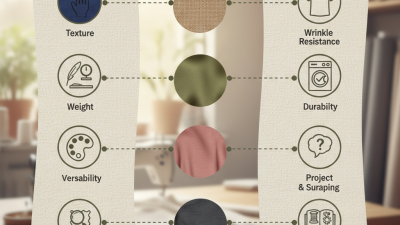
The Role of Fabric Weight in DIY Projects: What You Need to Know
When choosing fabric for DIY projects, fabric weight plays a crucial role. Heavier fabrics, like canvas or denim, are sturdy. They can withstand wear and tear, making them ideal for bags and upholstery. However, they can be challenging to work with. A sewing machine may struggle, leading to uneven seams or skipped stitches. Lighter fabrics, such as cotton or linen, are easier to handle. They flow well and create beautiful drapes but may lack durability. Comparing these attributes is essential.
Knowing the right weight for your project is key. For instance, a light cotton won’t hold shape for structured garments. A heavy fabric might overwhelm delicate projects. Understanding your intended use helps in fabric selection. Sometimes, mistakes happen. Using the wrong weight can lead to a disappointing product. For example, a thin fabric can tear easily, while heavy fabric might bulge awkwardly. Reflecting on these choices can improve future outcomes. Choose wisely, and play with samples before diving into a project. Doing so creates a better understanding of how different weights behave.
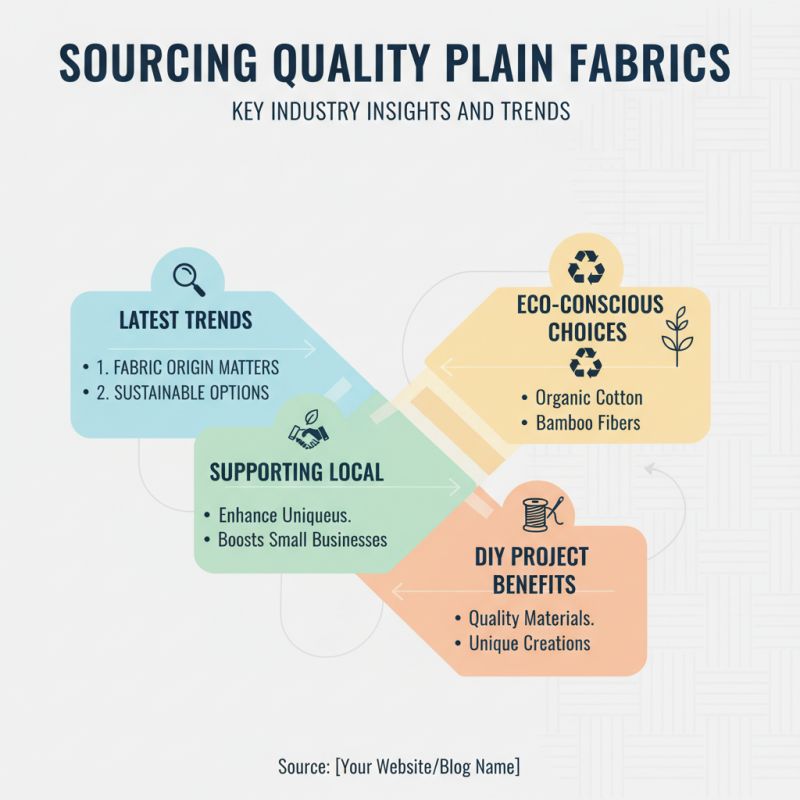
Sustainability in Plain Fabrics: Eco-Friendly Options for DIY Enthusiasts
When it comes to DIY projects, choosing sustainable materials matters. Eco-friendly plain fabrics are a fantastic choice. They not only reduce your carbon footprint but also support ethical practices. Organic cotton, for instance, is grown without harmful pesticides. It’s soft and perfect for a variety of projects.
Linen is another excellent option. It's made from flax plants, which require less water. This natural fiber becomes more beautiful with time. However, its tendency to wrinkle may not suit everyone. Wool, especially from responsible sources, offers warmth and durability. It can be dyed with plant-based colors too.
Tips: Always check the source of your fabric. Look for certifications that ensure sustainability. Remember, perfect is not the goal. Embrace the unique irregularities that come with handmade projects. Use scraps to test ideas before committing to larger pieces. Celebrate the imperfections; they add character to your work!

 +86 15968093247
 CONTACT NUMBER
 CONTACT e-mail