2026 Top Velvet Fabric Trends You Need to Know?
As we approach 2026, the velvet fabric trends are poised for a remarkable evolution. Velvet has long been a symbol of luxury, elegance, and comfort. According to a recent report by the Textile Institute, the global velvet market is projected to reach $1.6 billion by 2025, reflecting a growing consumer appreciation for this plush textile. The resurgence of interest in sustainable fashion also hints at a shifting landscape, with eco-friendly velvet options emerging.
Diving deeper into the trends, we find that innovations in texture and color are set to define the future of velvet. Fabrics that are soft yet durable are increasingly popular among consumers seeking quality. However, manufacturers face challenges in sourcing sustainable materials while maintaining affordability. This tension could lead to inconsistencies in product offerings, ultimately affecting consumer trust. The importance of transparency in the velvet supply chain cannot be overstated.
As velvet fabric continues to dominate interior design and fashion, staying informed on these trends is crucial. The combination of tradition and modernity will shape how this timeless fabric is perceived and utilized. By understanding these trends, designers can navigate future challenges while elevating the allure of velvet.
2026 Velvet Fabric Trends: Overview of Color Palettes and Patterns
Velvet fabric trends for 2026 are shaping up to be vibrant and diverse. The color palettes projected include deep jewel tones, soft pastels, and earthy hues. According to the Color Marketing Group, jewel tones are expected to dominate, appealing to consumers' desire for luxury. Emerald greens, sapphire blues, and rich burgundies will give designs depth and sophistication. On the other end, soft pastels like blush pink and mint green will create a calming aesthetic, perfect for contemporary interiors.
Pattern-wise, expect a blend of classic and modern designs. Geometric patterns and abstract prints are making a comeback, reflecting a shift towards bold personalization. A recent report from the Home Textile Association indicates that over 30% of consumers prefer unique, artistic prints. However, the challenge lies in maintaining harmony between color and pattern. Too many bold elements can overwhelm a space. Designers need to balance creativity with practicality to ensure a cohesive look.
Sustainability remains a key consideration. As consumers become more eco-conscious, choosing fabrics with a lesser environmental impact is crucial. The global demand for sustainable textiles is projected to grow by 9% annually until 2027, according to Allied Market Research. This trend pushes designers to rethink their choices and prioritize responsible sourcing of materials.
Sustainability in Velvet: Eco-friendly Innovations and Fabrics
Sustainability is vital in today’s fabric industry. Velvet, traditionally known for its luxury, is now embracing eco-friendly innovations. Brands are developing fabrics made from organic fibers and recycled materials. These resources reduce waste and lower environmental impact.
Recent advancements focus on the production process. Some methods use less water and energy, which is a significant step forward. However, challenges remain. Texture and durability often suffer when prioritizing sustainability. Finding the right balance is crucial. Innovations in dyeing processes are also emerging. Natural dyes are gaining traction, but they sometimes lack vibrancy.
As consumers become more aware, the demand for sustainable velvet is rising. The industry must respond by investing in research and development. Not all products will meet high standards right away. Continuous improvement is necessary. Velvet can remain luxurious while becoming more environmentally friendly. It requires time and commitment to achieve these goals.
The Rise of Performance Velvet: Durability and Functionality in Design
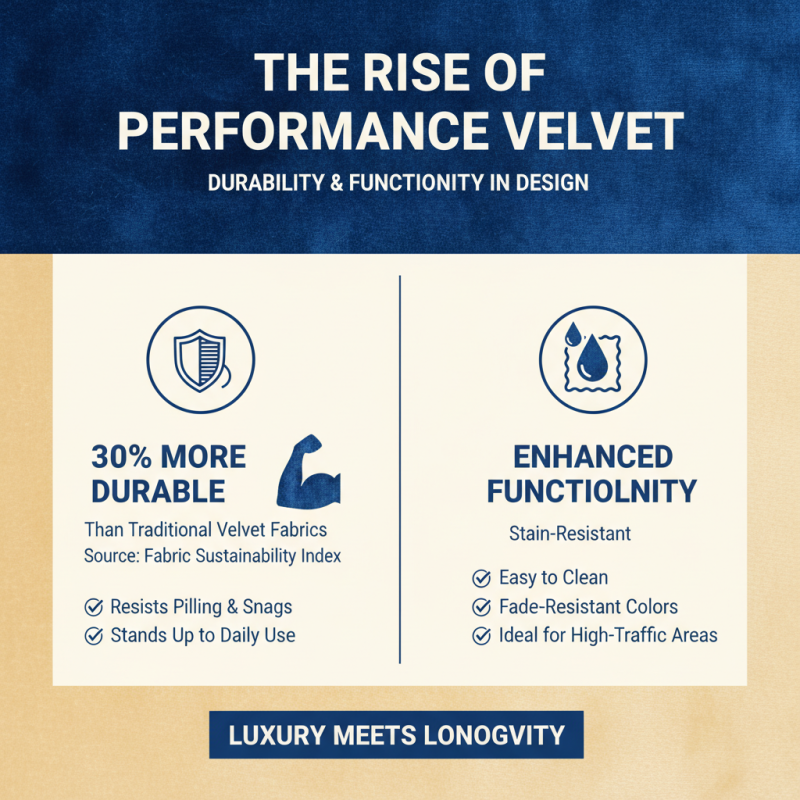
Performance velvet is gaining popularity in design, revolutionizing how we perceive luxurious textures. According to a recent report from the Fabric Sustainability Index, performance velvet boasts a remarkable 30% increase in durability compared to traditional velvet fabrics. This advancement allows interior designers to create stunning pieces that withstand the rigors of daily use.
Durability does not come at the expense of beauty. Performance velvet blends aesthetics with functionality. The soft touch and rich colors remain appealing. Designers can create environments that are both inviting and practical. However, some professionals worry about over-reliance on synthetic blends. There’s a fine line between elegance and endurance.
The versatility of performance velvet is another key trend. It is suitable for upholstery, drapes, and even fashion applications. A survey from the Textile Design Association indicates that 68% of designers prefer performance velvet for high-traffic areas. Yet, the challenge lies in balancing innovation with traditional craftsmanship. As trends evolve, staying grounded in sustainable practices should be a priority for the industry.
Velvet Applications: From Fashion to Home Décor Trends in 2026
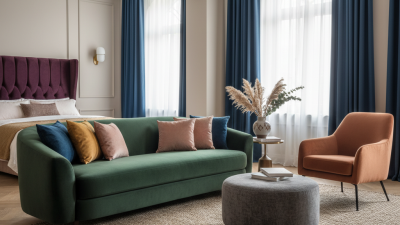
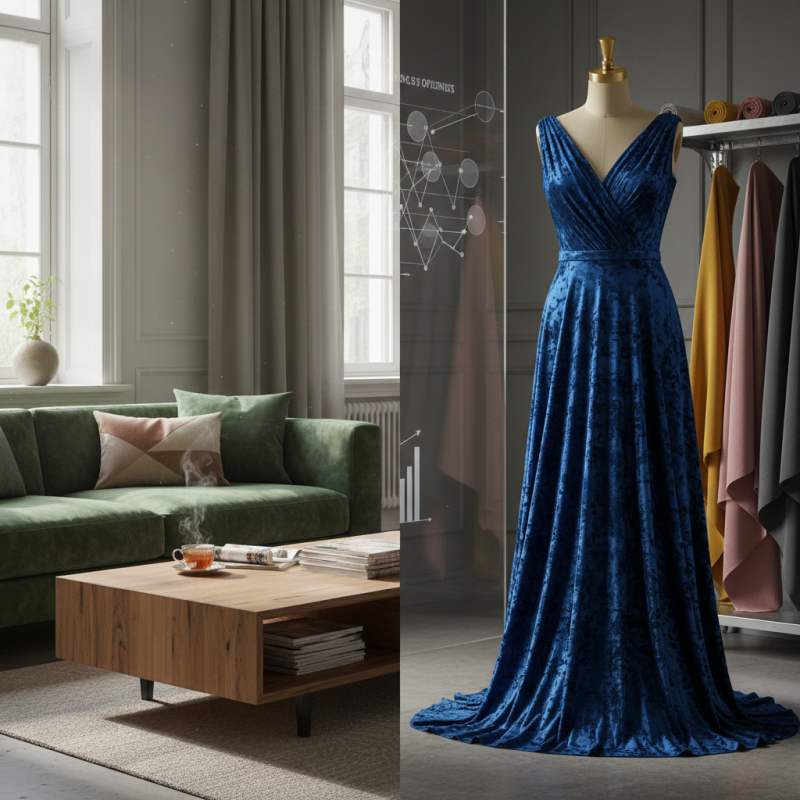
Velvet is making a significant comeback in 2026. It’s not just for fashion; home décor is embracing this rich fabric too. The soft texture adds a touch of luxury, elevating any space. Think plush velvet cushions or vibrant curtains that transform a room instantly. Such elements introduce warmth and elegance, often creating a cozy atmosphere.
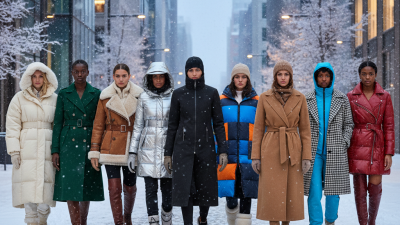
In fashion, velvet is versatile and bold. You’ll see it in dresses, blazers, and even accessories. The way it catches light makes outfits stand out. However, the challenge lies in care. Velvet can be tricky to maintain. Smudges and spills require careful attention. Regular cleaning can help preserve its beauty, but it’s worth the effort.
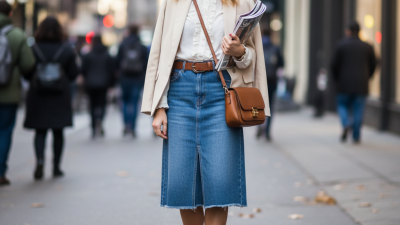
As velvet trends evolve, combining this material with contrasting textures adds interest. Pair it with linen or denim for an intriguing look. The blend can create depth in aesthetics. While velvet undeniably enhances visuals, its price point can be a barrier for some. Reflect on what fits your style and budget. Embracing velvet is about finding balance between aesthetics and practicality.
Market Analysis: Velvet Fabric Industry Growth Projections and Insights
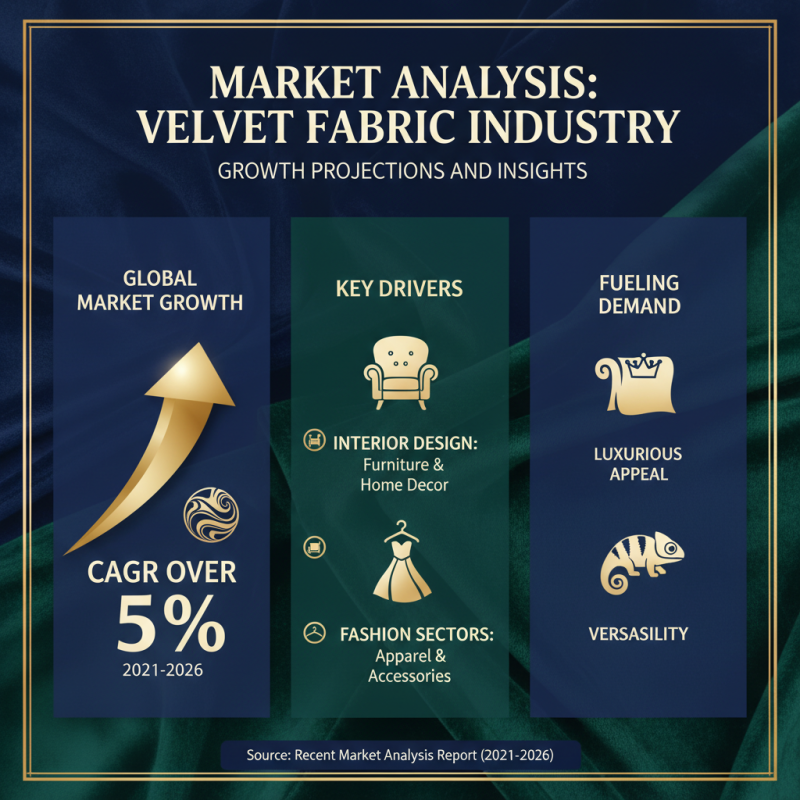
The velvet fabric industry is experiencing significant growth, driven by its versatility and luxurious appeal. According to a recent market analysis report, the global velvet market is projected to grow at a compound annual growth rate (CAGR) of over 5% from 2021 to 2026. This rising demand is largely fueled by the increasing popularity of velvet in interior design and fashion sectors.
Market insights reveal that consumer preferences are shifting towards sustainable materials. Velvet, especially made from organic cotton or recycled fibers, is gaining traction. This is an essential consideration for brands aiming to resonate with eco-conscious consumers. Insights from industry experts suggest that integrating sustainability into velvet production can enhance market positioning.
Moreover, the demand for innovative textures and patterns in velvet is on the rise. According to a survey, 62% of designers plan to incorporate unique textile techniques into their collections this year. This trend highlights the importance of creativity in the velvet market. As the industry evolves, brands must stay adaptive. Reflecting on these market trends, it becomes clear that while opportunities abound, companies must also navigate the challenges of changing consumer behaviors and sustainability demands.

 +86 15968093247
 CONTACT NUMBER
 CONTACT e-mail